
Categories
Buying, First-Time BuyersPublished October 14, 2026
Buying Land to Build in Wright County: What to Check Before You Make an Offer

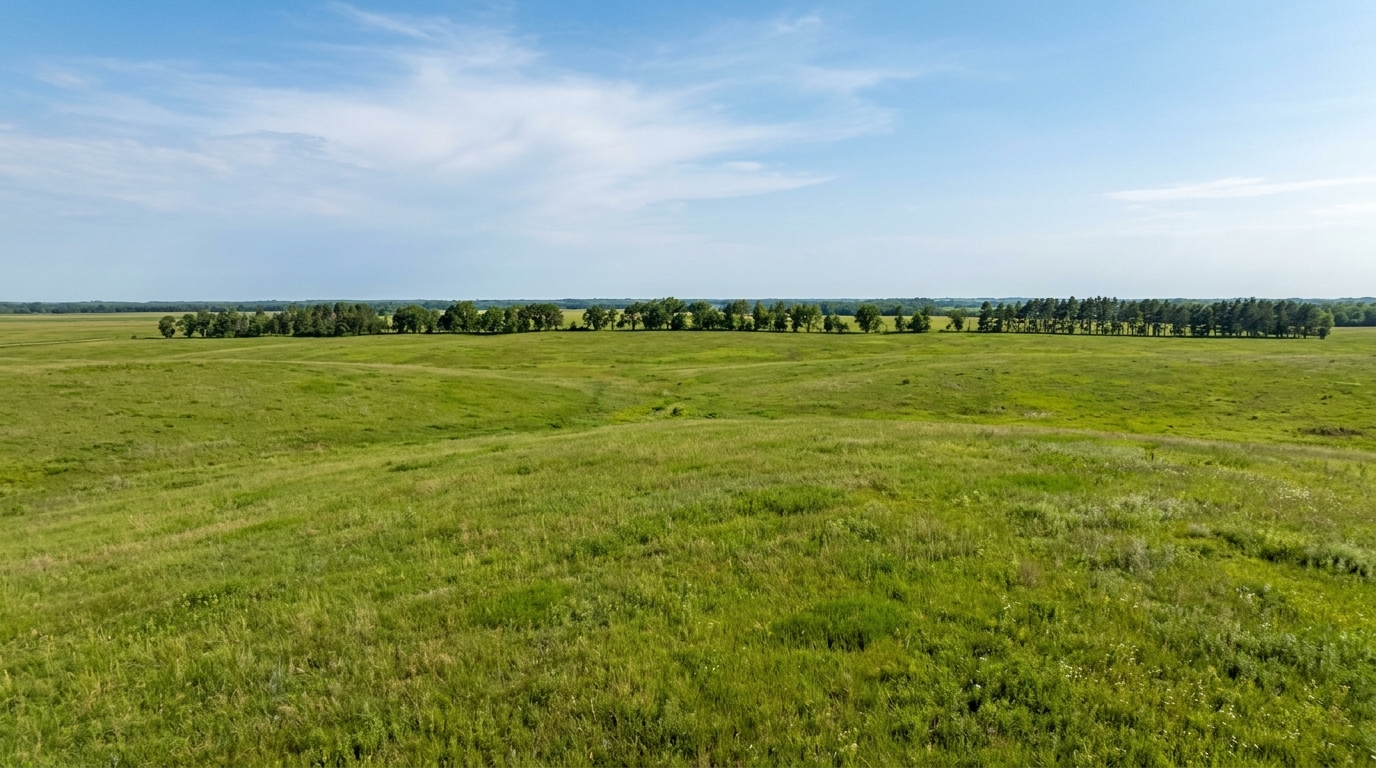
Buying vacant land is a different purchase than buying a house. There’s no inspection report, no appraisal of a finished home, and the problems are usually underground or buried in a county ordinance. I’m having this conversation with a buyer again right now, so I updated my checklist for buyers looking at lots around Buffalo, Rockford, Delano, St. Michael, and the rest of Wright County.
Do I need a real estate agent to buy land?
You don’t have to have one, but land is where an agent who knows the right questions earns their keep. A house shows its problems when you walk through it. A lot hides them. I research the parcel before you write an offer, pull what the county has on file, and build contingencies into the purchase agreement so you have a way out if the soil, survey, or zoning comes back wrong.
How do I pay for vacant land?
Know how you’re paying before you start shopping. Land is financed differently than a finished home, and not every lender offers lot or construction loans. Talk to a lender who does this type of financing early, so you know your real budget for the lot and the build together. If you’re paying cash, have your proof of funds ready. Sellers of good lots expect it.
Will the lot pass for a septic system?
If the lot isn’t on city sewer, this is the first question I ask. A septic system needs soil that drains properly, and that’s tested with soil borings and a percolation test done by a licensed septic designer. If the soil doesn’t work, a standard system may not either, and the alternatives cost more. Make your offer contingent on a passing result.
Soil testing also tells you whether there’s fill, debris, or contamination buried on the property. A lot that looks clean can have a farm dump under the grass.
Can I get water on the property?
Rural lots usually need a private well. Ask neighbors how deep their wells are and whether they’ve had issues, and talk to a licensed well contractor about what’s typical in that area. Nobody can guarantee what a well will produce until it’s drilled, so build that uncertainty into your budget.
What utilities are already at the lot?
Find out what’s at the road and what needs to be brought in:
- Electric service and the cost to extend it to your building site
- Natural gas or propane
- Internet service, which varies a lot on rural roads and matters if you work from home
- City water and sewer, if the lot is inside city limits
Extending power down a long driveway can cost real money. Get the number in writing from the provider before you close.
Who controls the zoning, and what does it allow?
Depending on where the lot sits, zoning may run through a city, the township, or Wright County. Call the right office before you write an offer and confirm:
- The lot is buildable for a single-family home
- Setbacks and minimum lot size rules
- Whether animals like chickens or horses are allowed
- Rules for outbuildings and pole sheds
Be careful when a seller says you can split the lot or build a second home on it. That’s a question for the zoning office, not the seller. Rezoning is never a given.
Are there wetlands, floodplain, or shoreland rules on the parcel?
Wright County has a lot of lakes and low ground, and both come with rules. Wetlands are protected in Minnesota, and the buildable part of a parcel can be much smaller than the total acreage. A 10-acre listing might have two acres you can actually build on. Lots near lakes and rivers also fall under shoreland rules that affect where you can build and what you can clear. Check the county maps and ask the zoning office directly.
Do I need a survey?
Yes. Ask for a recent survey or order a new one. It confirms the property lines, shows easements, and catches problems like a neighbor’s fence, driveway, or shed sitting on the lot. Also confirm you have legal access from the road and find out whether you need a driveway permit from the township, city, or county.
Are there covenants or builder requirements?
Lots in newer subdivisions often come with covenants that control home size, exterior materials, outbuildings, and fencing. Some lots require you to build with a specific builder. Read these before you fall in love with the view.
Will my home fit the neighborhood’s values?
Look at what homes nearby sell for. If your land cost plus your build cost lands far above everything around you, you may struggle to get that money back when you sell. I run a market analysis of the surrounding homes so you can see that gap before you commit.
What will my property taxes be?
The Wright County assessor’s office can show you the current estimated market value and taxes on the land. Keep in mind those taxes will go up once there’s a house on it, so plan for the finished number, not the vacant one.
Should I walk the property?
Always. No matter the size, walk every part of it. Look for wet areas, steep grades, standing water after rain, old trash piles, and anything nearby that affects how you’ll live there, like a gravel pit, kennel, or shooting range. Visit at different times of day if you can. Drive the road in the spring if you’re buying in the fall.
Talk with neighbors too, carefully. They know which corner floods and how deep their well is. If they’ve been using the land for parking, trails, or hunting, you want to know that before closing, not after.
Frequently asked questions
How long does it take to buy a lot to build on?
It depends on how much testing and research the lot needs. Septic testing, surveys, and zoning questions all take time, so plan for longer contingency periods than you’d use on a house.
Can I buy land with a contingency for septic testing?
Yes. A septic or soil contingency is common on rural lots and protects you if the soil won’t support a system.
Is buildable acreage the same as total acreage?
No. Wetlands, setbacks, easements, and slopes can shrink the area where a house can go. Confirm the buildable area before you make an offer.
FEATURED PROPERTY SEARCHES
Minnesota Condos and Lofts | Minnesota Golf Course Homes for Sale | Minnesota Historic Homes and Real Estate | Minnesota 1+ Acre Homes for Sale | Minnesota Lakefront Homes for Sale | Minnesota Lake and Acreage (5 acres or more) | Minnesota Newest Listings | Minnesota Open Houses | Minneapolis Condos and Townhouses | Minneapolis Lakefront Properties | Minneapolis Land and Lot Sales | Minneapolis Luxury Homes | Minneapolis Multi-Family Homes for Sale | Minneapolis New Construction | Minneapolis Open Houses | Minnesota Homes Price Just Reduced |

Erica Carlson
REALTOR | Erica & Scott Carlson | Minneapolis West Metro Realtors | BRIX Real Estate
or another way