
Categories
SellingPublished October 13, 2026
How Repeat Home Sellers in Otsego Learned Their 2nd Sale Wouldn’t Match Their First

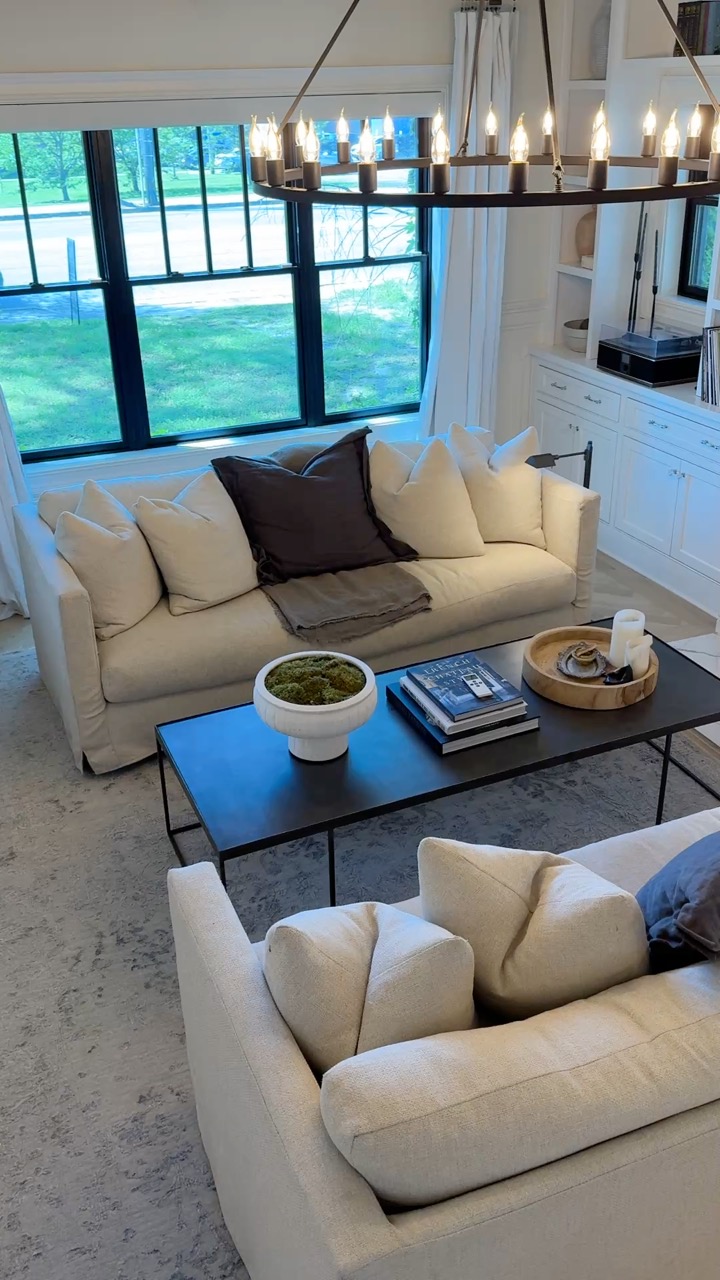
Past clients called me a year after buying a newly built home in Otsego. They wanted to move again, and this time they wanted to buy first so they wouldn’t close on both homes the same day. They found a home in Buffalo quickly, then listed their current home in August. It was priced well above their last sale, competing with new construction down the road, and carrying upgrades buyers wouldn’t pay full value for. It took about three months and a price reduction to sell. The tradeoff: the comfort of buying first cost them three months of carrying two homes.
What were they trying to do?
I’d helped these clients once before. That first move went smoothly. They sold in spring, leaned on me through every step, and bought new construction.
So I was very surprised to hear from them only a year later. They’d decided to move again and wanted to be settled before fall. It was early summer, so the clock was already running. They were clear about one thing from the first call. Closing on both homes the same day had been stressful last time, so this time they’d buy first.
How did the purchase go?
They toured open houses aggressively, and we went out together often. We found the right home in Buffalo without writing a lot of offers.
Once they were under contract, the focus shifted to selling. I walked through their home, and it needed a fair amount of cleaning and prep. Within a week, they had it ready for photos. They did a great job, and it looked fantastic.
Why was this sale so different from the first one?
On the surface, it looked like an easier sale. The home was only a year old, in a high-demand area, and it had extras most new homes don’t: a large custom deck, a water softener, more landscaping, and window treatments (compared to new construction).
Underneath, several things had changed since they moved a year before:
- The season. We listed in August, which is usually slower than spring in Minnesota.
- The price point. This home was priced about $200,000 above the home they sold the first time. Fewer buyers shop at that level.
- The competition. Buyers weren’t comparing this home to other resales. They were comparing it to brand-new homes from the builder on the same street.
- The upgrades. They’d invested heavily in the deck and other improvements and hoped to get every dollar back. Most upgrades don’t return dollar for dollar, especially when a buyer could choose a new build and customize it themselves.
I laid out what was different this time and how it could affect pricing and timing. They had a firm plan and a deadline, and the decision was theirs to make.
What happened when they listed?
One month turned into two, then three. They decided early that renting the home out wasn’t an option, so we kept working the sale. We added more marketing, and I worked with a lender I trust on financing options we could offer buyers. Eventually, a price reduction brought the right buyer.
Given the season, the price point, and the competition, three months was a reasonable result. It was still hard on the family financially and emotionally. Carrying two homes for that long stretched them more than they’d planned for.
What did they give up?
Peace of mind, mostly. Buying first spared them a same-day closing. In exchange, they carried two homes for three months, and they likely sold for less than they’d hoped because the upgrades didn’t pay for themselves.
What would I tell the next homeowner in this spot?
Don’t assume your last sale predicts your next one, even if it was only a year ago. The market moves. The season matters. A higher price point means a smaller pool of buyers. And if new construction is going up nearby, the builder is your competition.
Before you buy first, look at the data for your home today: current competition, recent sales at your price point, and how long homes are taking to sell this time of year. Then decide how long you could comfortably carry two homes. If the honest answer is “not long,” selling first, or at least listing before you buy, may be the less stressful path.
Questions this story answers
Do home upgrades pay for themselves when I sell?
Usually not dollar for dollar. Some improvements help a home sell faster or compete better, but buyers rarely pay back the full cost, especially for custom features they didn’t choose.
Is it hard to sell a nearly new home near new construction?
It can be. Buyers can often get a brand-new home from the builder, sometimes with incentives, so your home has to compete on price and value. Also, regardless of your personal opinion often times a person buying new construction and a person buying re-sale are not the same people. They can be! But, often times not.
Should I buy my next home before selling my current one?
It depends on how long you can afford to carry both. Buying first avoids a rushed move, but every extra month on the market costs you. In real estate there is no guarantee of a certain dollar amount or a certain timeline. Until you do it yourself, you will not know what happens. Thinking this through in advance of owning 2 homes is a wise decision.
Is August a slow time to list a home in Minnesota?
Often, yes. Buyer activity is usually lower than in spring, so pricing and timing need extra care. Minnesotans should be aware that the State Fair, school going back in session and people trying to soak up the last days of summer means there are less buyers looking and thinking about moving.
Related: Sell and Buy Strategy · What Is Your Home Worth? · Home Selling Process · Contact
FEATURED PROPERTY SEARCHES
Minnesota Condos and Lofts | Minnesota Golf Course Homes for Sale | Minnesota Historic Homes and Real Estate | Minnesota 1+ Acre Homes for Sale | Minnesota Lakefront Homes for Sale | Minnesota Lake and Acreage (5 acres or more) | Minnesota Newest Listings | Minnesota Open Houses | Minneapolis Condos and Townhouses | Minneapolis Lakefront Properties | Minneapolis Land and Lot Sales | Minneapolis Luxury Homes | Minneapolis Multi-Family Homes for Sale | Minneapolis New Construction | Minneapolis Open Houses | Minnesota Homes Price Just Reduced |

Erica Carlson
REALTOR | Erica & Scott Carlson | Minneapolis West Metro Realtors | BRIX Real Estate
or another way